


In B2B marketing, an unwritten rule often prevails: serious equals professional. But in a world where people are bombarded with hundreds of messages daily, mere factualness is no longer enough to grab attention. Humour – when used correctly – can become the strongest weapon in communication.
Even, and especially, in explainer videos.
But when can an explainer video in a B2B context actually be funny? And where is the fine line between charming storytelling and inappropriate silliness?
Why humour works – even in B2B
Humour activates emotions, and emotions are the foundation of every memory.
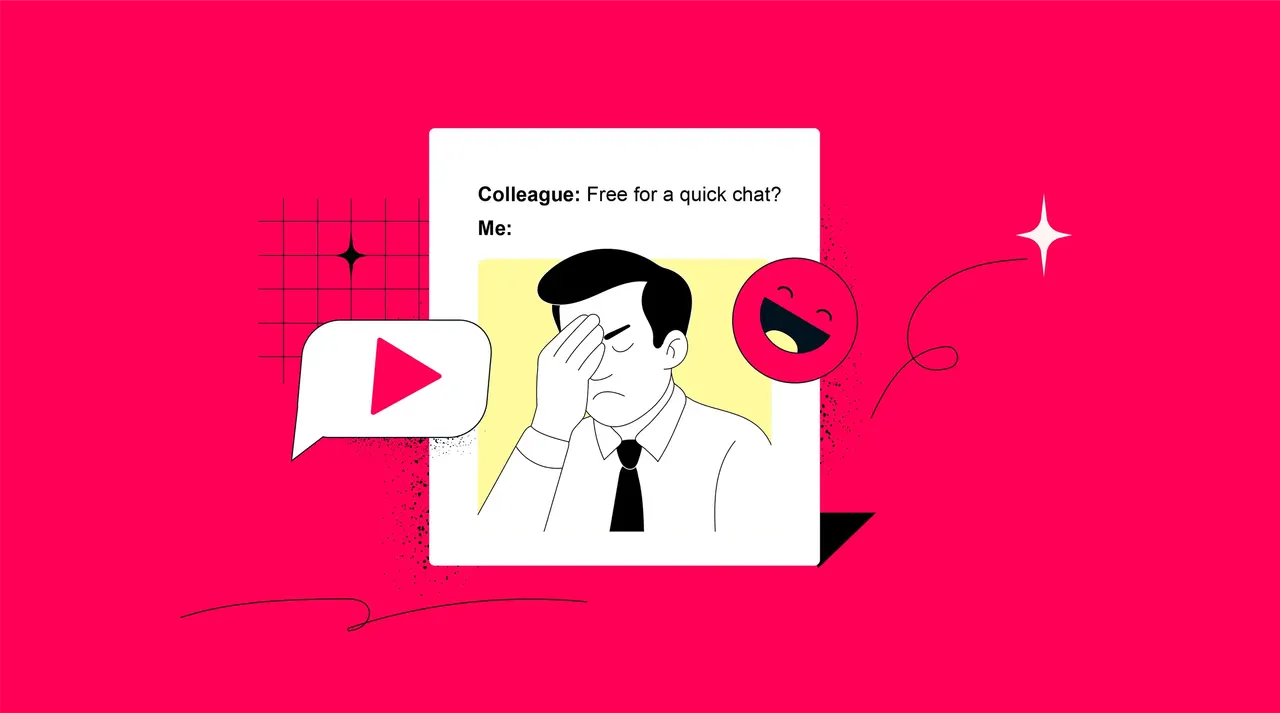
Even sober target groups – engineers, IT professionals or decision-makers in industry – remain human beings who want to laugh, be amazed or surprised. A good smile at the right moment opens the mind to content that would otherwise be considered "dry". A clever gag, an ironic exaggeration or a likeable visual punchline can suddenly make a complex topic accessible and memorable .
Psychologically, humour reduces cognitive distance: those who laugh feel connected – with the brand, with the speaker, with the message.
The misconception of "seriousness"
Many companies believe humour undermines credibility.
The opposite is often true – as long as it is used intelligently, respectfully and in line with the brand . Seriousness does not mean communicating without emotion. It means remaining clear, confident and relevant. A humorous explainer video can even reinforce these values: it shows that a brand understands its target audience, can laugh at itself and is not afraid to convey topics in a human way.
That is modern professionalism.
Where humour works – and where it doesn't

Not every topic is suitable for humour, and not every target group reacts the same way.
Some guidelines help maintain balance:
- Technical complexity + a wink: When it comes to complicated processes, a pinch of humour works particularly well. An exaggeratedly confused character who finally understands everything can be a mirror of the target group – likeable and relieving.
- Uphold corporate values: Humour must never come at the expense of others. Irony yes, cynicism no.
- Timing and tone: The joke should support the message, not overshadow it. A laugh does not replace information, but reinforces it.
- Consider the industry: In an explainer video for medical technology or security systems , exaggerated humour would be out of place. In the software, energy or agency world, however, it can work wonders.
In short: humour works when it conveys authenticity and relevance .
When brands show attitude
Funny explainer videos are not just entertainment; they are also a statement. They show that a company has the courage to break with conventional B2B communication and show personality. Younger generations of decision-makers, in particular, appreciate brands that present themselves with a certain self-confidence and lightness.
This does not mean that every explainer video has to become a sketch. But even subtle elements of humour – such as small gestures, timing pauses or visual exaggerations – can make dry content more human . Example: A company explaining a new ERP system could humorously play with the "nightmares of the old Excel days".
Or a mechanical engineering company shows in a short scene how an employee desperately tries to install a sensor the wrong way round – until the video provides him (and the viewer) with the simple solution. Such scenes do not make content ridiculous, but tangible and likeable.
Humour in motion design
Animation offers perfect conditions for humour – subtle, visual and brand-safe. Instead of exaggerated jokes, humour in an explainer video can arise from timing, character design and stylistic breaks :
- A character floating in the air because gravity is "on a break".
- An overdramatic zoom that heroically stages a mundane action.
- An expected scene that suddenly resolves – but with a logical connection to the topic.
Motion design allows such moments without them appearing awkward. Because animation creates a certain distance from reality, which gently cushions the humour and makes it more universal.
The golden mean: humour with strategy
For humour to work in an explainer video, a clear concept is needed. It should not arise by chance, but must be purposefully integrated into the storyboard . A proven approach is the "humour curve":
At the beginning, a humorous scene grabs attention, followed by the factual explanation, and at the end, a small, charming punchline ensures memorability. This keeps the video informative – but it feels light and lively . It is important that the humour comes from the situation , not from external references or pure comedy. Viewers should think: "That's so true!" – not: "That was a joke."
Risks and sensitivity

Of course, humour carries risks. It can be understood differently across cultures or unintentionally exclude people. Especially in an international B2B context, sensitivity is therefore required.
A professional motion design studio will therefore always check whether humour suits the brand's voice, what reactions are likely, and how misunderstandings can be avoided. Internal coordination also plays a role: what seems charming to the marketing team might appear too casual to management. Therefore: humour yes – but never at the expense of clarity, respect or goal orientation.
Conclusion: Humour is not a risk – but a stylistic device
In the flood of factual explainer videos, little truly sticks in the mind. A video that makes the viewer smile has not only captured their attention but also their sympathy. Humour is not the opposite of professionalism – it is its human face. Used correctly, it makes complex content easier to understand, strengthens brand identity and ensures lasting memory.
You can find out how moving images systematically bring brands to life in our article on Motion Branding.
B2B communication can be fun. Because anyone who truly understands their target audience knows: decision-makers also like to laugh – especially when they see themselves reflected in it.