





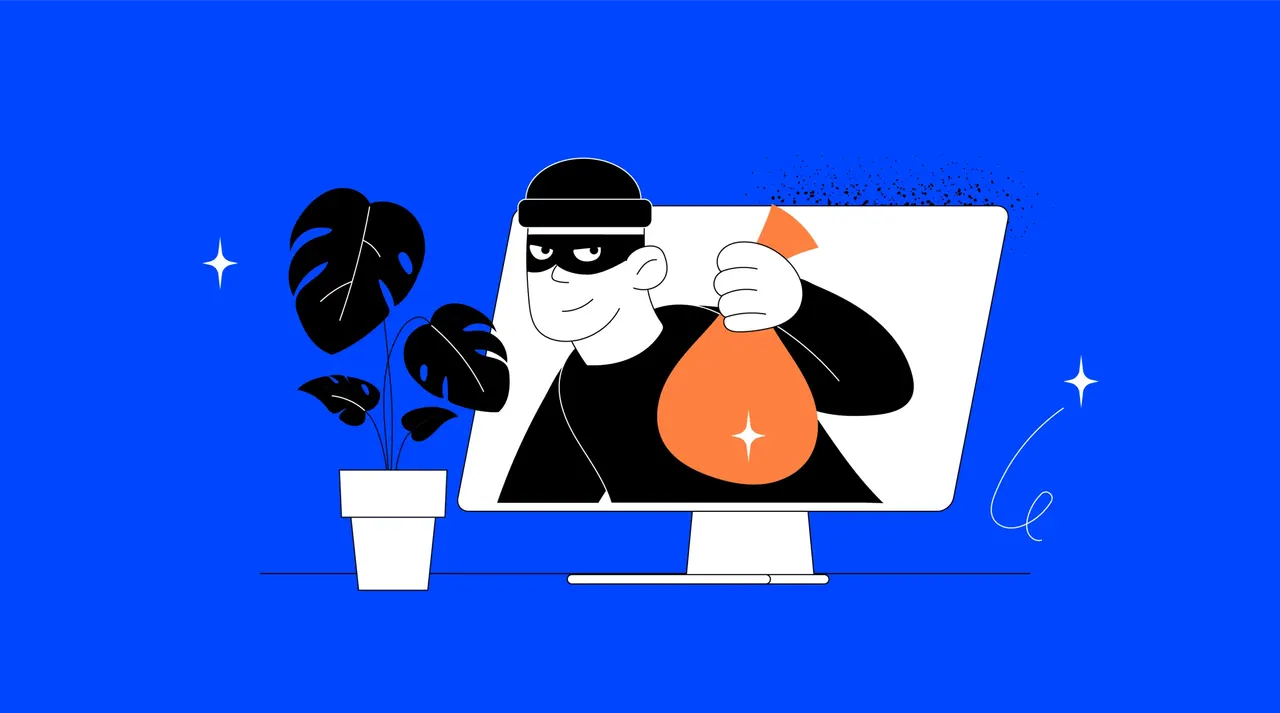
It's Monday morning in the office of a medium-sized company. Sarah from accounting receives an email from the supposed CEO: "Urgent! Please transfer 50,000 euros immediately for a confidential acquisition." The email looks deceptively real – same logo, similar email address, familiar writing style. Only one small detail reveals the fraud: instead of @company.de, it says @companny.de in the sender's address. A typo that almost cost the company a fortune. Luckily, Sarah remembers the explainer video from the last security training, which warned specifically about such CEO fraud schemes.
Why traditional security training often fails
Let's be honest: most employees consider traditional compliance training a necessary evil. Endless PowerPoint presentations, dry paragraphs, and abstract warnings bounce off reality. The problem isn't a lack of employee willingness, but the method of knowledge transfer.
The numbers speak for themselves: while only about 10% of content is retained from pure text information, videos achieve an impressive retention rate of 95%. Especially with security topics, where quick reactions and correct decisions are crucial, this difference can determine success or costly damage.
Explainer videos as a game-changer in fraud prevention
This is where professional explainer videos come in. They transform abstract threats into tangible scenarios and make fraud patterns visually recognisable. A well-made explainer video doesn't just show what a phishing email looks like – it tells the story behind it, explains the psychology of fraudsters, and conveys concrete instructions in an entertaining way.
The advantages are clear: complex issues are simplified through animation. Employees can visually grasp and internalise typical warning signs. The emotional component – for example, through likeable characters or realistic situations – ensures that the message is not only understood but also felt. This makes the crucial difference between "I know I should be careful" and "I immediately recognise the danger and act correctly."
From theory to practice: How preventive explainer videos work
An effective fraud prevention video follows proven didactic principles. It begins with a relatable initial situation – such as everyday work in a home office, where the boundaries between private and professional internet use blur. Then the threat is introduced: a seemingly harmless link in an apparently official email.
Through visual highlights, viewers learn what to look out for: suspicious sender addresses, unusual requests, urgency pressure. The animation can show details that would be missed in live training – such as how the URL changes when hovering over a link, or which security features distinguish genuine from fake websites.
The ability to play through various fraud scenarios without real risks is particularly valuable. The video can show what happens if someone clicks on the link, what data is harvested, and what consequences that can have for the entire company. These "what-if" scenarios remain in memory long-term.
Measurable success and long-term impact

Companies that rely on visual training concepts report impressive results. The click-through rate on phishing test emails decreases by up to 70% after video training. Employees report suspicious incidents more frequently and quickly. The investment in professional explainer videos pays for itself with the first prevented fraud attempt.
Another advantage lies in scalability and sustainability. Once produced, a high-quality explainer video can be used for years – for new employees, as a refresher, or in different departments. The average useful life of professional videos is 3-5 years, making them an extremely cost-effective solution.
Integration into corporate culture
Successful fraud prevention doesn't end with a single video. Companies achieve the best results by embedding visual training content into a comprehensive security culture. This can mean: short reminder videos before critical periods like Christmas, when phishing attacks increase. Specific videos for different departments with their typical risk scenarios. Or interactive elements where employees can test their knowledge in simulated situations.
Continuous awareness through various video formats – from short social media clips to detailed training videos – keeps the topic present without causing fatigue. Employees develop a natural instinct for attempted fraud that goes far beyond memorising rules.
Conclusion: An investment in security that pays off

Fraud prevention through explainer videos is more than a modern trend – it is a demonstrably effective method to protect companies and their employees. The combination of visual communication, emotional appeal, and practical instructions creates a security awareness that makes the difference in an emergency.
The investment in professional explainer videos for fraud prevention is not an expense, but an insurance policy. An insurance policy against financial losses, reputational damage, and the loss of sensitive data. In a time when cybercrime is constantly increasing and fraudsters' methods are becoming more sophisticated, companies cannot afford to cut corners on employee training.