





Globalisation is no longer an abstract concept – it is a reality in daily business. Mid-sized companies export their machinery to Asia, start-ups seek investors in the USA, software firms gain users across Europe. But the further expansion goes beyond linguistic and cultural borders, the greater the risk of misunderstandings.
One wrong word, a misinterpreted gesture, or an unspoken context – and a promising negotiation can stall. This is where explainer videos come in: they create clarity, reduce friction, and translate complex content not only linguistically but also culturally.
Language alone is not enough
Most companies begin their internationalisation strategy with translations: brochures, websites, contracts – everything is transferred into the respective target language. But language is only half the battle.
In many cultures, context plays at least as important a role as word choice. While in Germany communication is direct and precise, business partners in Japan expect a respectful, indirect tone.
A written text can hardly convey these subtle differences. An explainer video, however, combines spoken language, visual metaphors, and tonality, making the message clearer and more universally understandable.
Consciously incorporate cultural nuances
Professionally produced explainer videos go beyond standard visualisations. They specifically consider cultural differences:
- Colour symbolism: White stands for purity in Western countries, but for mourning in parts of Asia.
- Gestures and facial expressions: A thumbs-up is positive in Europe, but offensive in some countries.
- Examples and metaphors: A comparison with football works in Germany; in India, cricket might be more appropriate.
A good motion design studio researches these aspects and adjusts the storyboard accordingly. This creates a video that is understood worldwide – without missteps.
Multilingual scaling
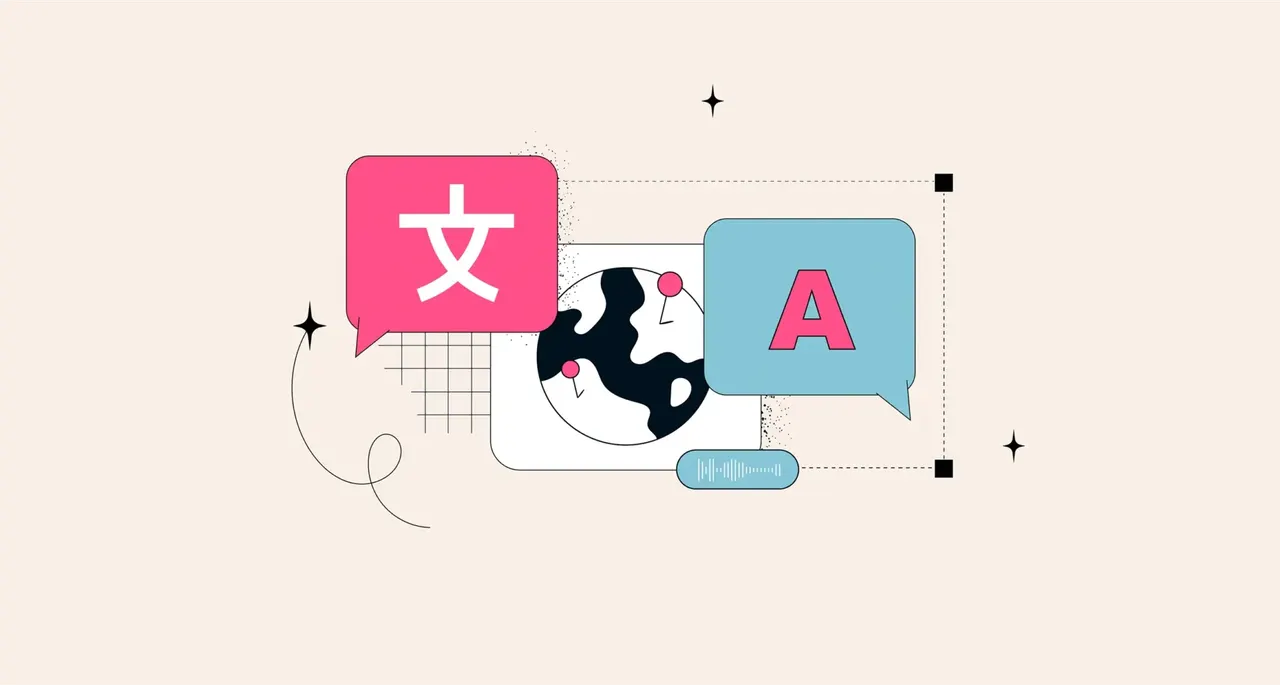
Another advantage: explainer videos can be adapted multilinguallywith relatively little effort. Voiceovers, subtitles, or even locally adjusted visual variants allow the same story to be effective in different markets.
For example, a mid-sized mechanical engineering company can show its video with a German speaker at a trade fair in Stuttgart – and with an English or Chinese speaker a few weeks later at an international industry event.
The big difference: the video remains consistent at its core, while cultural adaptation is specifically controlled. This not only increases reach but also ensures a consistent brand image.
Efficiency in international sales
In international sales, every minute counts. Meetings across different time zones, business trips, cultural nuances – all of this makes sales processes inherently more complex and time-consuming. If misunderstandings then arise because product information is unclear or presentations are misinterpreted, it means not only frustration but also lost business potential.
This problem is particularly evident in the B2B sector . Take a software company as an example: the same questions repeatedly arise in initial discussions – for instance, about functionality, interfaces, or security standards. If the documentation is misunderstood or the presentation is too technical, the sales team has to invest valuable time to clear up these misunderstandings. The actual sales process is delayed; in some cases, interested parties even drop out entirely.
A professional explainer video acts as a standardised door-openerhere. Instead of each sales representative approaching individually and explaining the content differently, the video provides a consistent, precise, and easily understandable introduction. It conveys the core messages succinctly and ensures that every interested party receives the same clear overview – regardless of language, cultural background, or technical prior knowledge.
The effect:
- Faster lead qualification – Uninterested parties are filtered out early, serious prospects immediately understand the benefit.
- Shortening sales cycles – Discussions no longer start from scratch but build directly on a shared understanding.
- Strengthening trust – A consistent, professional appearance signals reliability and competence.
This advantage is particularly noticeable in an international context. While in one country extensive technical details are expected, in another a clear visual representation is sufficient. A well-produced explainer video combines both demands: it offers depth without overwhelming, and is prepared in such a way that it works across cultural and linguistic boundaries .
For the sales team, this means: fewer repetitions, fewer misunderstandings – and more time for the actual persuasion and building long-term customer relationships.
Employer branding and internal communication
Explainer videos are effective not only externally but also internally. International teams are often composed of employees from diverse cultures. An onboarding video can ensure that everyone has the same foundation , whether they are in Munich, Madrid, or Mumbai.
Instead of translating lengthy manuals, an animated video conveys the most important processes, values, and safety standards in just a few minutes. This reduces misunderstandings and strengthens the sense of togetherness.

Practical case study
A German medical technology company wanted to introduce its products to the Asian market. The challenge: complex technical processes and strict regulations that needed to be clear to customers immediately.
The explainer video used combined neutral colour codes, universal pictograms , and restrained storytelling, which is considered respectful in the target culture.
Result: Instead of lengthy queries, the sales team could directly address the specific benefits. Within six months, the company recorded a significant increase in qualified leads.
Conclusion: Explainer videos as cultural bridge-builders
As companies grow internationally, they inevitably encounter cultural differences. Misunderstandings are not a minor detail but a risk: they can delay partnerships, jeopardise contracts, or weaken customer relationships.
Explainer videos offer an effective solutionhere. They reduce complexity, translate messages visually and audibly, and can be specifically adapted to cultural contexts.
Thus, they become bridge-builders between markets, people, and mentalities.
Anyone wishing to grow internationally should therefore invest not only in translations but also in visual storytelling . This is how cultural misunderstandings can be avoided – and sustainable relationships built.