




The new normal: Telemedicine in Germany
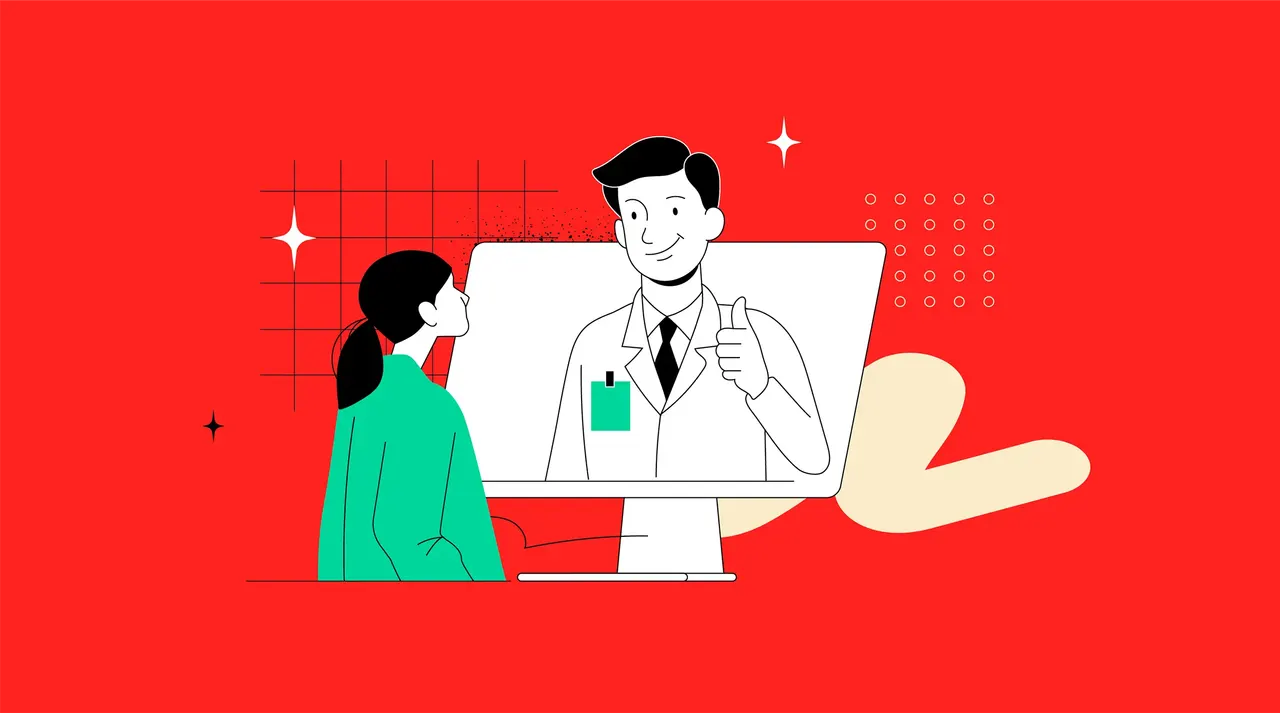
What was once a vision for the future is now reality: video consultations are a normal part of healthcare. Telemedicine gives patients access to medical care regardless of where they live. Especially in rural areas, it closes care gaps and saves long journeys. But despite the benefits, many people remain hesitant.
Technology as a barrier – and how communication overcomes it
A video consultation doesn't need much: an internet-enabled device, camera, microphone, and a stable connection. Yet many patients hesitate to use it. Fear of complicated logins, technical problems, or data protection concerns holds them back. Older people, in particular, feel insecure. This is where communication comes in. Well-made explainer videos reduce anxiety, show processes step-by-step, and make telemedicine tangible.
Explainer videos as a change management tool
Introducing video consultations is not just a technical process, but also a cultural shift in practices and clinics. Staff must learn new software, and patients must build trust. Explainer videos help both sides: they train teams efficiently and consistently, while explaining to patients, in an accessible way, how a digital consultation works. This reduces inhibitions and promotes acceptance.

Practical tips conveyed visually
A good video not only shows the technical process but also offers small, practical tips: choose a quiet, well-lit room, have documents ready, test the internet connection beforehand. This makes patients feel prepared, and doctors can use consultation time more effectively. Especially in conjunction with the electronic patient record (ePA) , new opportunities arise, as findings and medication plans can be shared digitally.
A look into the future: AI and wearables
Telemedicine is just beginning. In the future, artificial intelligence will assist with initial symptom assessment, wearables will provide continuous data, and virtual reality solutions could simulate examinations. With every innovation, the need for explanation grows – and with it, the importance of clear, visual communication. Those who invest early in professional videos will benefit long-term from higher acceptance and more efficient processes.
Conclusion: Clear communication as a success factor
Telemedicine can revolutionise healthcare in Germany. It bridges distances, saves time and resources, and improves access to medical care. But its success largely depends on whether people feel confident using it. Explainer videos are the tool to make technology understandable and build trust.
Explaining telemedicine wins – and turns scepticism into acceptance.