




Imagine this: A homeowner stands on their roof, thoughtfully gazing at the empty space. The sun shines, the wind blows gently – and suddenly they see it in their mind's eye: solar panels that halve their electricity bill, while also doing something for the climate. But between this vision and the actual decision often lies a world full of technical details, a jungle of subsidies, and uncertainties. This is precisely where explainer videos come in – as a bridge between complex technology and enthusiastic customers.
The Challenge: Why Renewable Energies Are So Difficult to Communicate
The energy transition is on everyone's lips, but when it gets concrete, questions arise: What are the five renewable energies? How does a heat pump work? And why should I invest right now? According to current studies, the share of renewable energies in Germany is already over 54 per cent of electricity generation – and rising. Nevertheless, many potential customers are still hesitant.
The reason is simple: the technical interrelationships are complex. While experts discuss kilowatt-hours, efficiencies, and feed-in tariffs, end customers primarily want one thing: a clear, understandable answer to the question "What's in it for me?" This is where the power of visual communication becomes particularly clear. People process visual information 60,000 times faster than plain text – a decisive advantage when it comes to making abstract concepts like energy flows tangible.
Solar Energy and Wind Power: Complexity Meets Emotion
Take photovoltaics as an example: the physical principles of the photoelectric effect may be fascinating, but for most homeowners, what matters most is: How much will I save? When will the system pay for itself? And does it work even on cloudy days? A well-made explainer video can answer these questions in just two minutes – and at the same time evoke positive emotions.
The situation is similar with wind energy. The development of renewable energies showsthat wind now makes the largest contribution to renewable electricity generation. But how do you explain the benefits of a wind farm in their region to citizens? Animations can visualise sound propagation, illustrate distances, and at the same time show the positive effects for the local economy.
The Explainer Video Advantage: Why Moving Images Convince in Energy Topics

The magic lies in the combination of simplification and emotionalisation. A professional explainer video manages to present technical facts in such a way that they are not only understood but also felt. When an animation shows how sunbeams are converted into electricity and this then charges one's own electric car, an "aha moment" is created that is more powerful than any table.
This is not about simplification at any cost. Rather, high-quality explainer videos use the possibilities of animation to build up complex relationships step by step. For example, the functioning of a heat pump can first be explained roughly, then in detail – always adapted to the target group's prior knowledge.
Biomass, Geothermal and Co.: Diversity Needs Visualisation
The diversity of renewable energies is both a strength and a challenge. In addition to solar and wind, biomass, hydropower, and geothermal energy also play important roles. Each technology has its specific advantages and areas of application. As research shows,the decentralised energy transition requires new communication approaches, especially in rural areas.
An explainer video can serve as a universal tool here: it not only explains the respective technology but also shows concrete application cases. Thus, abstract concepts such as "biogas from agricultural residues" become a tangible story of a farm that supplies itself with energy and even feeds into the grid.
Success Factors: What Makes a Good Energy Explainer Video
Not every video is automatically a good explainer video. Especially with technical topics, the right balance is crucial. Experience shows that successful energy explainer videos combine certain elements:
Firstly, it needs clear dramaturgy. The video should pick up the viewer – for example, with rising electricity bills or the desire for independence. From there, the explanation builds logically, without overwhelming.
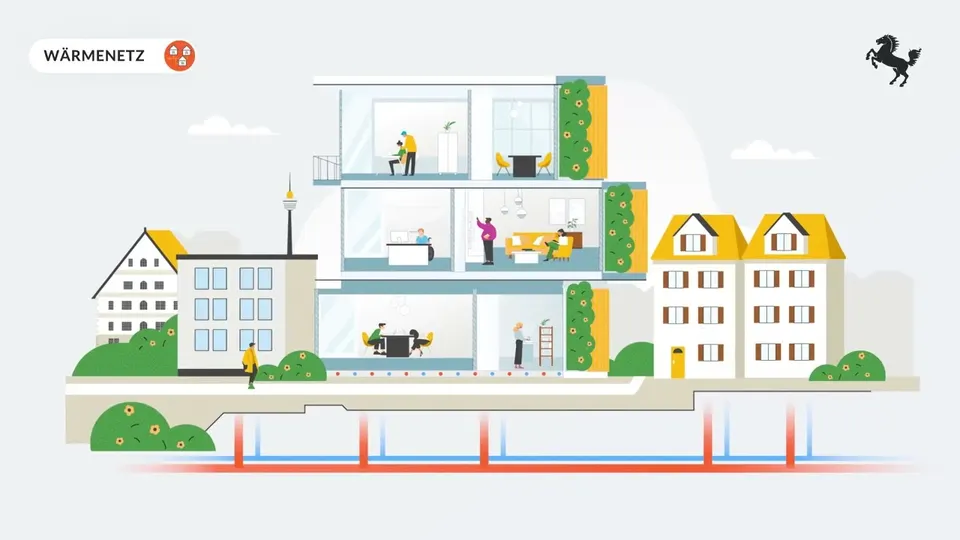
Secondly, the visual language is decisive. Abstract concepts like kilowatt-hours become tangible through clever metaphors. For example, if the annual production of a solar system is presented as "power supply for 12,000 washing machine loads," a connection to everyday life is immediately created.
Thirdly, the emotional aspect must not be missing. People do not only make decisions rationally. An explainer video that shows how a family looks to the future carefree thanks to their own solar system also appeals to feelings.
Integration into the Customer Journey: From Initial Interest to Installation
A single explainer video is good – a well-thought-out video strategy is better. Companies in the renewable energy sector particularly benefit from staggered communication. The general explainer video on the homepage arouses interest, specialised videos on individual products deepen knowledge, and installation tutorials provide security for the time after purchase.
This strategy pays off measurably: landing pages with videos show up to 80 per cent higher conversion rates. At the same time, consultation calls are shortened because customers are already pre-informed. This saves time and resources on both sides.
Local Anchoring: Why Regional Aspects Matter

While the energy transition is a global issue, it takes place locally. Studies on decentralised energy supply emphasise the importance of regional acceptance. An explainer video that specifically addresses regional conditions – be it solar radiation in the south or wind conditions on the coast – creates additional trust.
Legal frameworks also vary. The Renewable Energy Sources Act (EEG) with its remuneration rates and regulations is complex. A tailor-made explainer video can provide clarity here and at the same time point out local funding programmes.
The investment in professional explainer videos may initially seem high. But the numbers speak a clear language: 89 per cent of consumers have been convinced to buy by a video. In the B2B sector, where decisions are often even more complex, videos can make the decisive difference.
A medium-sized solar technology provider, for example, reported a doubling of qualified leads after introducing an explainer video series. The videos were not only used on the website but also in email campaigns and at trade fairs. Sales used them as an icebreaker and for follow-up after customer appointments.
The Future: Interactive Formats and New Technologies
Development does not stand still. While classic explainer videos continue to have their justification, new formats are emerging. Interactive videos allow viewers to decide for themselves which aspects they want to delve into. Augmented Reality makes it possible to virtually place solar systems on one's own roof.
At the same time, the topics are becoming more complex. Hydrogen as an energy carrier, sector coupling, smart grids – all of this needs to be explained. The basic principles of good explainer videos remain the same: reduce complexity without distorting. Evoke emotions without manipulating. Inform and at the same time inspire.

Conclusion: The Path to Successful Energy Communication
The energy transition needs not only technical innovations but also communicative ones. Explainer videos have proven to be one of the most effective instruments to bridge the gap between expert knowledge and customer understanding.They turn abstract concepts into tangible benefits and interested parties into convinced customers.
For companies in the renewable energy sector, this means: the investment in professional explainer videos is not an expense, but an investment in the future. Because whoever manages to explain complex technologies simply and emotionally wins not only customers – but also ambassadors for a sustainable future.
Ready to bring your energy message to life? Let's develop an explainer video togetherthat not only informs but inspires your target audience. Contact us for a no-obligation consultation and find out how we can translate your vision of renewable energy into moving images.