






Roundabouts, construction projects, environmental zones or new citizen portals – urban projects affect everyone, but are often understood by only a few. Technical terms, pages of PDFs and technical protocols make access difficult. This is precisely where citizen communication either builds trust or creates scepticism. Transparency, clear language and visual presentation are key to fostering participation and acceptance.
Why traditional communication is no longer enough
A new traffic concept or the introduction of digital administrative processes cannot be explained in two sentences. Such projects involve months of planning, coordination with authorities and complex regulations. However, if this information is published in the form of text deserts or sober presentations, it remains incomprehensible – or simply uninteresting – for many citizens. The result: people feel left out, criticism arises from uncertainty, and good ideas fail due to poor communication.
Explainer videos make complex topics tangible
Animated explainer videos can achieve in 60 to 90 seconds what 20 pages of PDF cannot: attract attention, build trust and promote understanding. Instead of abstract jargon, citizens receive a visual story that gets to the heart of the project.
Practical examples show the potential:
- A city explains in an animated video why certain streets are becoming car-free – and immediately shows how the new space will be used.
- A municipality visualises its climate plan and clarifies what contribution each individual can make.
- An administration presents its new online citizen portal – clear, friendly and without technical hurdles.
Explainer videos: When numbers and plans become stories

An animated explainer video can achieve in 60 to 90 seconds what 20 pages of PDF cannot: attract attention, build trust and promote understanding. Instead of jargon, there is clear language; instead of diagrams, a visual story.
Practical examples:
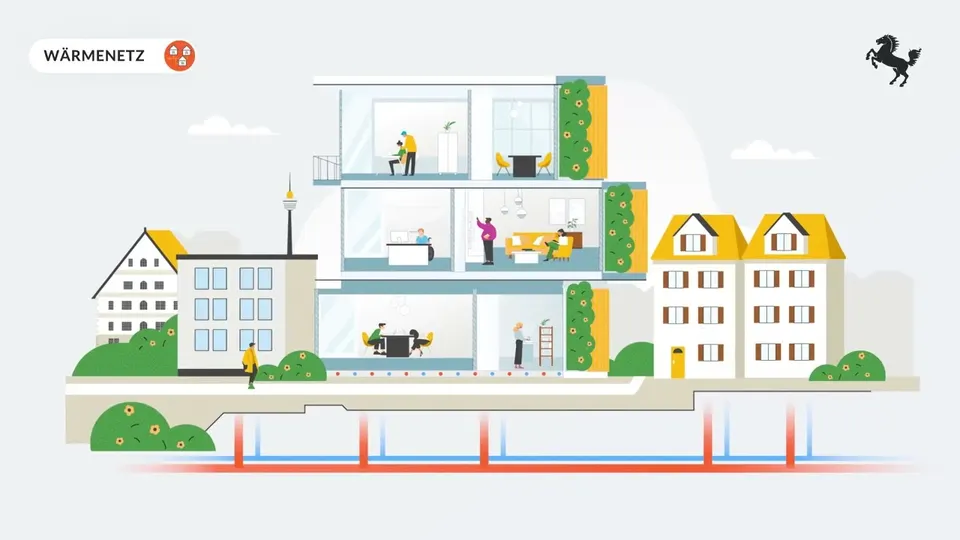
The visual advantage: How illustrations and animations work
Illustrations help to make abstract processes visible: What exactly does a flood protection concept mean? How does the transition to renewable energy sources work? Visual representations reduce complexity and increase understanding – especially for people with low literacy or language barriers.
Animations go a step further: They show changes, processes and connections in motion. Through storytelling, icons and characters, dry theory becomes a small story in which citizens can find themselves.
Building trust – through transparency and style
Modern visual communication is not just about being “colourful and nice”. It is specifically designed – in tone, design and information density. A professional explainer video for cities and authorities needs:
- clear language – citizen-friendly, inclusive, easy to understand
- sensitive design – appropriate to the topic (e.g. safety, climate protection, digitalisation)
- serious execution – not a comic, but a stylish, informative format
Especially with sensitive topics such as environmental protection, safety or citizen participation, the right tone determines trust and approval.
Participation instead of resistance
When people understand what it's about – and what role they play – participation arises. Illustrations and explainer videos make administrative work visible, show perspectives and provide orientation.
A well-made explainer video can…
🎯 make complex projects tangible
🎯 reduce misunderstandings
🎯 prevent criticism
🎯 promote motivation and dialogue
And the best part: the content can be used across platforms – on websites, social media, information events or digital citizen platforms.

Conclusion: Visibility needs clarity
Cities face the task not only of administering, but of communicating – actively, transparently and at eye level. Those who rely on visual tools such as illustrations and animated explainer videos reach more people, promote understanding and create acceptance.
Because only those who are understood can be heard.