




Imagine this: Mrs Schmidt sits in a crowded doctor's surgery, nervously rummaging through her handbag. Where is her vaccination certificate? The referral from her GP? Her list of medications? As she searches among crumpled papers, she thinks of the electronic patient record her neighbour told her about. "It's practical," she'd said, "but who knows what happens to all that data?" Almost everyone knows this scene – and it illustrates the dilemma of digital healthcare: the solution is ready, but trust is still missing.
Understanding the ePA: Why data protection concerns must be taken seriously
The electronic patient record promises a revolution in healthcare. All medical information in one place, available at any time, securely encrypted. But while the technology is ready, Germany is struggling with a crisis of trust. According to current surveys, over 60% of German citizens have concerns about data protection in digital health solutions. These fears are not unfounded – after all, it concerns highly personal information that could cause significant harm in the wrong hands.
The complexity of data protection issues with the ePA overwhelms many patients. Terms like "end-to-end encryption", "decentralised data storage" or "two-factor authentication" sound like a foreign language to laypeople. This is precisely where professional explainer videos come in: they translate technical concepts into understandable images and stories that everyone can follow.
Explainer videos as a bridge of trust: Complex security concepts simply conveyed
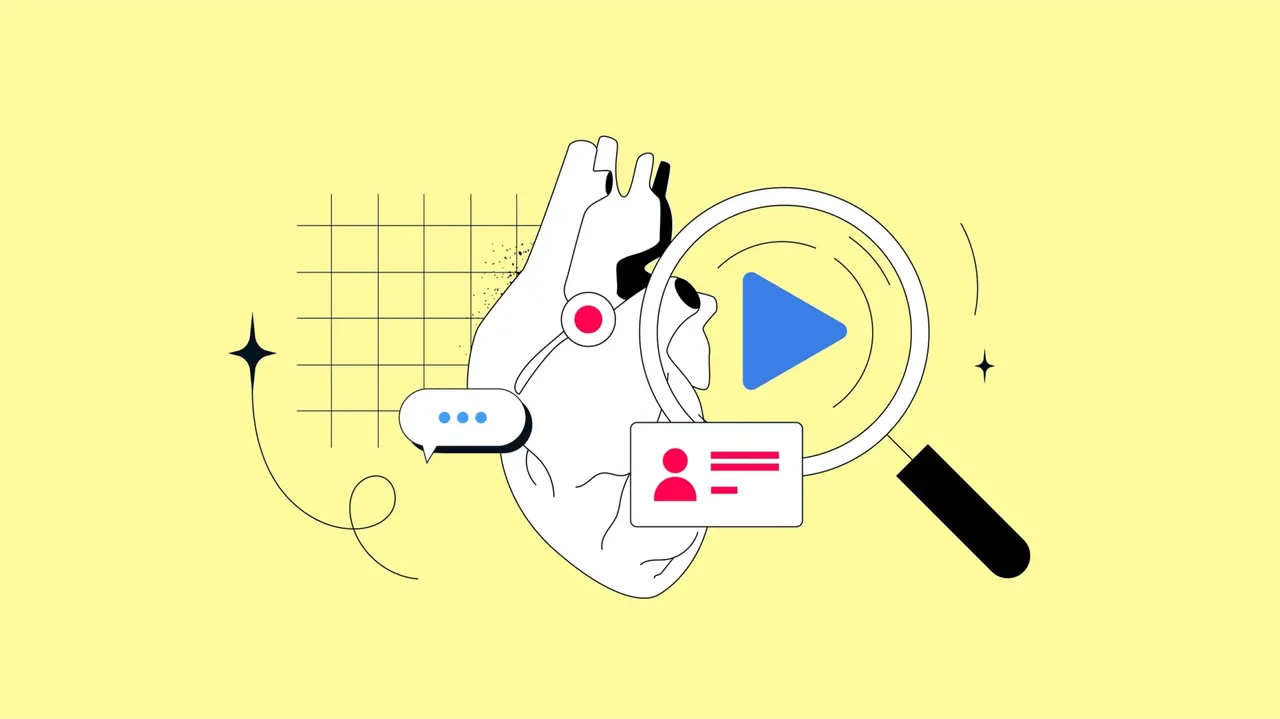
A well-designed explainer video can convey in just 90 seconds what an information sheet would need several pages for. It's not just about pure knowledge transfer: animations create emotional connections and reduce fears by making abstract security concepts tangible.
The effectiveness of these approaches is measurable: studies show that 95% of information conveyed through videos is retained, compared to only 10% for text-only information. For health insurance companies, doctors and healthcare providers, this means: an investment in high-quality explainer videos for the ePA pays off many times over through higher acceptance rates and reduced support enquiries.
GDPR-compliant video production: When data protection begins with education
Ironically, many data protection awareness campaigns fail at their own production. The choice of video service provider is crucial: premium agencies have dedicated data protection officers and systematic compliance processes. They work with professional data processing agreements (DPAs) and ensure that sensitive health information remains protected throughout the entire production chain.
Especially in telemedicine, where patient data is exchanged in real-time between doctor's surgeries, patients and, if necessary, other specialists, an uncompromisingly secure handling of data is essential. Whether video consultations, electronic patient records or explainer videos for digital health services – every communication and production chain must comply with the highest data protection standards.
The risks with budget providers or international freelancer platforms are considerable: a lack of GDPR expertise can lead to fines of up to 20 million euros or 4% of annual turnover. German authorities have already imposed total fines of over 100 million euros for data protection violations – a risk no healthcare provider should take.
Practical implementation: How to achieve trust-building ePA communication
Successful explainer videos for the ePA follow a clear dramaturgical structure. They begin with an everyday situation – like our Mrs Schmidt in the doctor's surgery – and guide the viewer step-by-step through the solution. Security mechanisms are not presented as technical features, but made tangible as personal benefits.
A proven approach is the visualisation of the "digital safe": the ePA is presented as a personal health safe to which only the patient holds the key. Doctors receive temporary access codes, which the patient can revoke at any time. This metaphor makes the abstract authorisation concept intuitively understandable and alleviates the fear of losing control.
The integration of such videos into patient communication should be strategic. Touchpoints such as the practice website, waiting room screens or QR codes on information materials have proven effective. Accessible designis important here: subtitles, simple language and culturally adapted versions significantly increase reach.
Measurable success: How explainer videos increase ePA acceptance
The investment in professional explainer videos demonstrably pays off. Healthcare providers report up to 80% higher conversion rates for ePA registration when explainer videos are used. At the same time, support enquiries decrease by an average of 40%, as patients have their questions answered by the video.
A practical case study: A large health insurance company was able to triple the usage rate of its ePA app within three months by using a 120-second explainer video. The return on investment was an impressive 1,200% – with production costs of 25,000 euros, savings of over 300,000 euros were achieved through reduced call centre costs and higher digitisation rates.
Future outlook: The ePA as an opportunity for the German healthcare system
The electronic patient record is more than just a digital filing system – it is the key to modern, patient-centred medicine. But without the trust of users, this potential remains untapped. Professional explainer videos make an indispensable contribution here: they build bridges between technical innovation and human needs.
With the mandatory introduction of the ePA for all statutory insured persons, the need for education is increasing exponentially. Healthcare providers who now invest in high-quality video communication position themselves as trustworthy partners in digital transformation. They show: data protection and user-friendliness are not opposites, but two sides of the same coin.

Conclusion: Trust through transparency – the key to success
Mrs Schmidt's story could end differently today: after watching a short explainer video from her health insurance company, she confidently activates her ePA. The animation showed her how her data is encrypted, who gets access and how she retains full control. Instead of fear, she now feels relief – finally order in her health data.
This transformation from a sceptical to an informed user is no coincidence, but the result of well-thought-out communication. Explainer videos achieve what brochures and lectures often cannot: they make data protection tangible, understandable and trustworthy. For healthcare stakeholders, the message is clear: invest in professional video communication before your patients lose trust.