



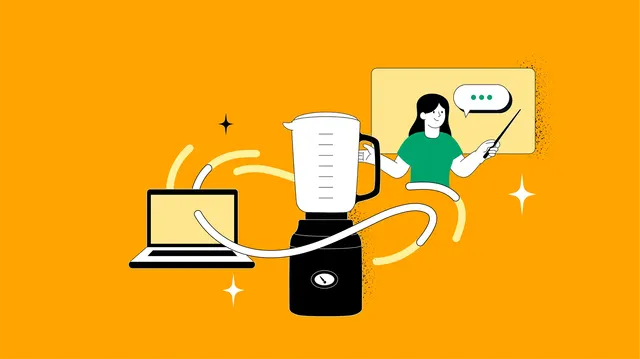


Funding – a blessing often unused
In Germany and Europe, there are thousands of funding programmes: from grants for energy-efficient renovations and investment aid for start-ups, to state premiums for electromobility or the expansion of renewable energies.
For private individuals, companies, and municipalities, these programmes are a huge advantage. They reduce costs, enable projects that would otherwise be unfeasible, and accelerate innovation. But the reality is different: year after year, billions in funding remain unused because the information is too complex, too convoluted, and too incomprehensible.
Information overload instead of clarity
Most funding institutions still rely on traditional communication: brochures, fact sheets, manuals, or long PDF documents. While these contain all the information, they are barely understandable for laypersons. Anyone wanting to apply for funding for a heat pump, for example, encounters technical terms like “BAFA grant”, “KfW Programme 262”, or “Investment Grant for Climate-Friendly New Builds”. Entrepreneurs seeking funds for digitalisation must battle through paragraphs, deadlines, and quotas.
Municipalities also face this hurdle when they want to finance infrastructure projects with EU funds. Instead of providing orientation, these texts create uncertainty – and the actual message is lost: funding should help, not confuse.
Paper communication reaches its limits
Brochures and information sheets have their place, but they fail when it comes to illustrating complex processes. Typical questions like “Am I eligible for funding?”, “Which documents do I need?”, or “How long does processing take?” are difficult to answer quickly in texts. Anyone stuck in the middle of a form and unable to proceed gives up in frustration – or foregoes the funding entirely. This is not only a disadvantage for applicants, but also for providers who want to communicate their programmes as effectively as possible.
Why explainer videos make the difference

An explainer video for funding programmes addresses precisely this. Instead of deciphering complicated texts, customers see a clear explanation in two to three minutes. Animated graphics guide them through the most important steps, symbols make processes understandable, and simple language replaces jargon. The big advantage: people learn visually much faster than through text alone.
A video not only shows how to apply, but also the concrete benefits of the funding. This transforms a bureaucratic process into a comprehensible action.
Emotional connection instead of abstract distance
A funding application is more than just an administrative act. For many people, it involves a future decision: renovating their own home, starting a business, or making a municipality more climate-friendly. Brochures remain abstract, while videos create connection. They show real examples, tell stories of people who have successfully used funding, and give the programme a face. This reduces scepticism, because interested parties see: “Others have done it – so I can too.”
Less support effort for providers
Another advantage concerns the institutions themselves. Banks, energy providers, ministries, or funding bodies spend countless hours answering recurring questions. Every call, every email means working time and costs. With an explainer video, standard questions can be bundled and answered around the clock.
Many providers report that videos significantly reduce the need for consultation. Support teams can focus on complex special cases, while simple queries are answered automatically. This not only saves resources but also increases customer satisfaction.
Flexibility across all channels
Explainer videos are versatile. They can be embedded directly on websites, integrated into online applications, distributed via social media, or used in consultation processes. The modular approach is particularly effective: an overview video explaining the funding programme in a few minutes, supplemented by in-depth clips for specific target groups such as private individuals, companies, or municipalities. This allows content to be flexibly scaled and adapted to the respective information situation.
Practical examples
- Energy & Housing: A video explains how homeowners can apply for funding for photovoltaic systems step-by-step and the benefits for their electricity bill.
- Mobility: An explainer video shows how to use grants for electric car charging stations – from application to payout.
- Business Funding: Start-ups understand in minutes which programmes for digitalisation or research are relevant to them.
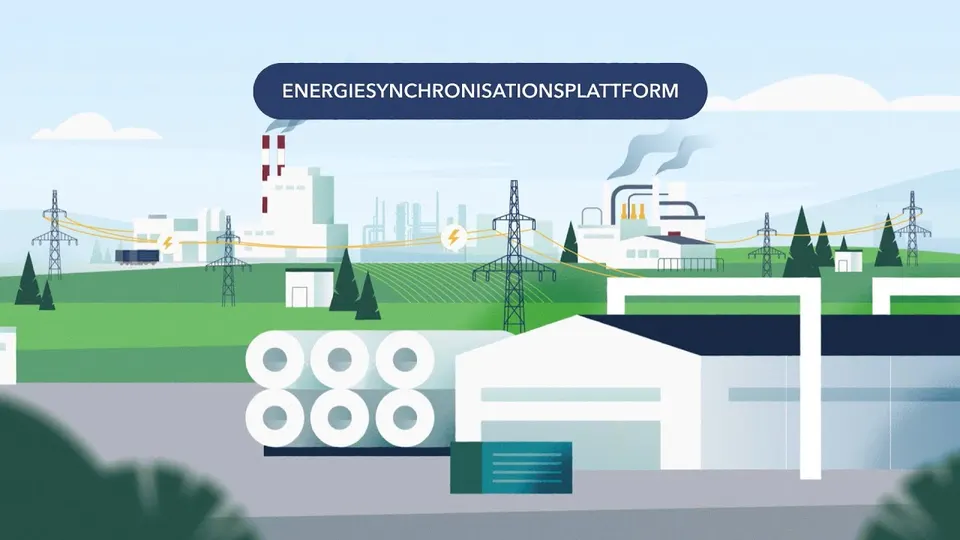
- Municipal Projects: Cities use videos to show citizens how EU funds flow into sustainable infrastructure and the local benefits.
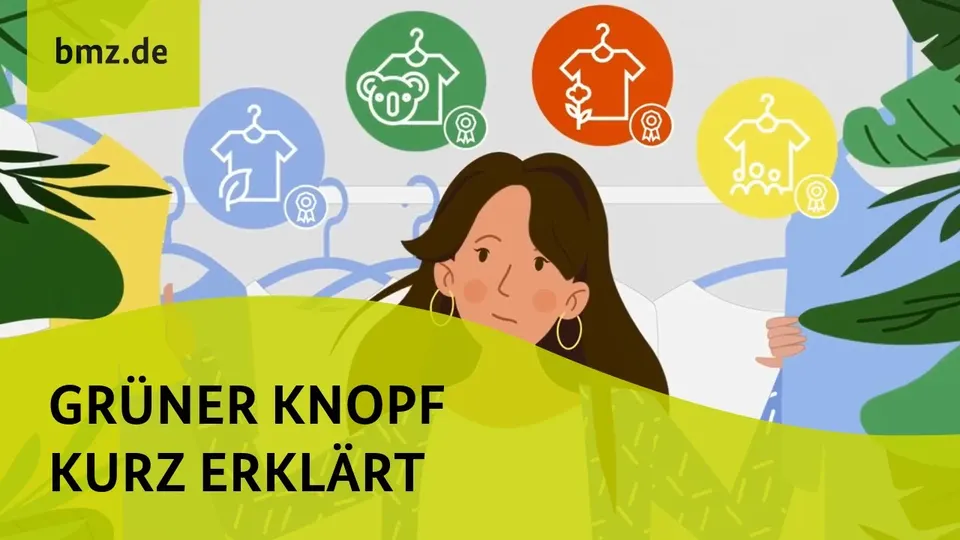
These examples show: a video doesn't just replace paper, it makes funding programmes tangible.
Trust as the key to success

Many people distrust funding programmes because they fear failing due to bureaucracy. A transparent, clearly understandable video breaks down precisely this distrust. It shows that providers not only inform formally but actively want to support. This strengthens the credibility of the institution and ensures that funding reaches where it is needed.
Conclusion: funding must be explained, not merely written down
Complex funding programmes are a great opportunity – for citizens, businesses, and entire regions. But as long as they are packaged in hard-to-understand brochures, they remain inaccessible to many. Explainer videos make the difference: they transform paragraphs into pictures, processes into stories, and uncertainty into trust.
They save time, reduce costs, and ensure that funding is actually used. Anyone wanting to communicate funding programmes successfully must move from paper to moving images – because only then will information become clear, approachable, and actionable.