



Safety as the Foundation of Industry
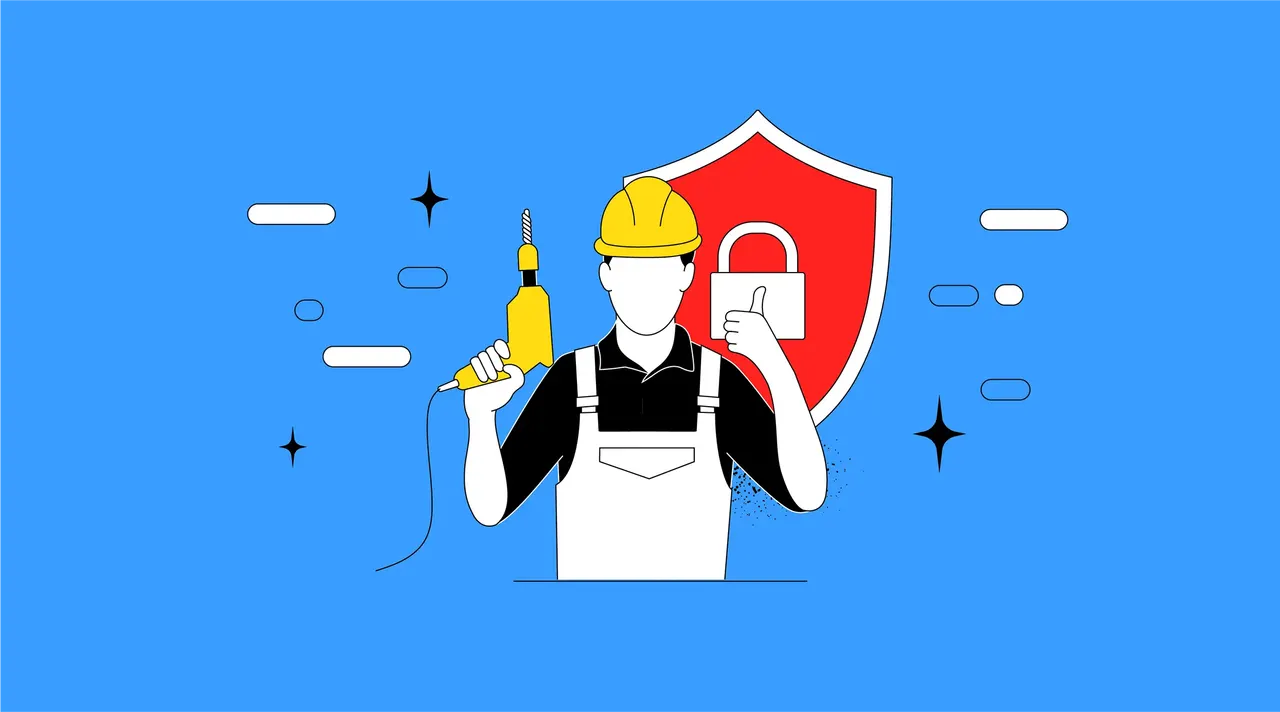
Mechanical engineering is the heart of German industry. From automotive production to food processing or the chemical industry – highly complex machines are used everywhere. But the more powerful and larger the systems become, the higher the risks for employees. Workplace safety is therefore not a marginal issue, but a central component of every production operation. Regulations such as DGUV rules, the European Machinery Directive, or internal safety standards ensure that accidents are prevented.
However, reality shows that many employees are overwhelmed by the content of safety training. Long presentations, pages of manuals, or monotonous lectures often mean that knowledge is not retained sustainably. Especially in mechanical engineering, where operating errors can have serious consequences, a superficial understanding is not enough.
Traditional Training Reaches its Limits
In many companies, safety briefings still follow the same pattern: PowerPoint presentations in the seminar room, supplemented by PDFs or brochures. The problem: these formats are often dry, abstract, and difficult to understand. While they convey the necessary information, they do not reach the emotional level. Employees may know that a safety area must not be entered – but they do not understand why that is so important.
In addition, traditional training is time-consuming and expensive. Entire departments must be released for briefings, external trainers cost money, and repetitions tie up additional resources each year. For international locations, further hurdles arise from language barriers and cultural differences.
Why Explainer Videos are the Better Solution
This is precisely where explainer videos for workplace safety come in. Instead of reading out dry regulations, they show in clear, animated scenes how machines are operated correctly, where dangers lurk, and which protective measures can save lives. Visual elements – symbols, animations, simulations – make risks tangible. A video can, for example, demonstrate what happens if a protective device is removed or if personal protective equipment is not worn. Such scenarios are much better remembered than a written sentence in a brochure.
The advantage is obvious: people learn visually much faster. Studies show that content in video formats is up to 70% better remembered than in text form. Especially in mechanical engineering, where complex processes need to be clearly illustrated, explainer videos are therefore an ideal tool.
Efficiency Gains in Training and Production
Another advantage: explainer videos save time and money. While traditional training must be repeated for each new group, a video produced once can be used as often as desired – whether in onboarding new employees, in annual refresher training, or as part of e-learning platforms. This relieves safety officers and reduces downtime in production.
In addition, videos allow for flexible integration into daily work. Employees can view, repeat, or deepen content at their own pace. Multilingual versions can also be easily created, so international locations benefit from the same content. For companies, this means: less organisational effort, lower costs, and a uniformly high standard in workplace safety.

Emotional Impact: Safety Becomes Tangible
Workplace safety is a sensitive topic. A sober manual shows rules, but rarely reaches the heart. Explainer videos, however, can tell stories: they show real scenarios, put employees at the centre, and make clear the consequences of misconduct. An example: an animation shows how a small mistake – such as not wearing gloves – can lead to a serious injury. At the same time, the video conveys how such accidents can be avoided with simple measures.
This emotional impact ensures that employees take the content more seriously. Abstract rules become concrete actions that are directly linked to their own daily work.
Practical Examples of Use
- Machine Operation: A video explains step by step how a CNC machine is safely started, operated, and shut down.
- Hazard Zones: An animation shows which areas must not be entered during operation and how optical warning systems are to be interpreted.
- Protective Equipment: An explainer video illustrates why helmets, gloves, or hearing protection are absolutely necessary – and what the consequences are if they are not worn.
- Emergency Procedures: Videos can guide employees through evacuation plans, first aid measures, or fire alarm procedures in realistic scenarios.
These examples show: videos can not only convey regulations but also build practical skills.
Integration into Modern Learning Systems

More and more companies are relying on digital learning platforms and e-learning tools. Explainer videos are a central component here. They can be combined with interactive elements such as quizzes or gamification to deepen what has been learned. This creates a modern training concept that not only conveys knowledge but also promotes active learning.
Furthermore, explainer videos embedded in safety campaigns. A short video on screens in the production hall serves as a daily reminder of the most important safety rules. Or an animated clip is shared in the employee app, so all employees have access to the content regardless of location or time.
Conclusion: More Safety, Less Effort
Workplace safety in mechanical engineering is too important to be packaged in dry brochures. Explainer videos are the most efficient solutionto convey complex content clearly, memorably, and sustainably. They reduce costs, increase efficiency, and enhance acceptance among employees. Above all, they ensure that safety rules are not just heard, but understood and applied.
Anyone who relies on the highest safety standards in mechanical engineering today should therefore not only invest in technology but also in how knowledge is conveyed. With explainer videos, workplace safety becomes not a chore, but a living part of the corporate culture – and that is exactly what saves lives in doubt.